 The term “drug addiction” is a disturbing word that brings to mind other words with equally unpleasant associations such as hopeless, out-of-control, desperate, inadequate, failure—you can no doubt add many more. Part of the reason the word is so upsetting is that for most people who try to overcome drug addiction, treatment options have been limited and often ineffective.
In fact, “conventional” drug addiction treatment programs have a success rate of 25% or less! One of the reasons I believe this to be the case is that these “conventional” programs do not adequately address the physiological basis of substance abuse; more specifically biochemical imbalances that occur in the brains of people with substance abuse issues. The good news is that solutions exist that do address these imbalances and offer hope to those seeking a more permanent solution.
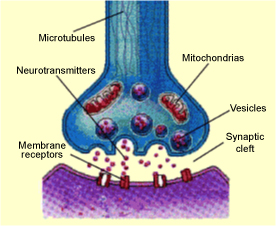
According to Dr. C.E. Gant, author of “End Your Addiction Now”, “substance abuse problems are the result of biochemical imbalances that disrupt the normal workings of brain cells”. These imbalances are particularly important in the biochemistry of brain cells, or neurons. Neurons produce chemical substances called neurotransmitters (the brain’s messengers), and they control virtually every aspect of your life by communication with other cells.
Four key groups of “brain messengers” are related specifically to substance abuse. These particular messengers are vital to our ability to experience pleasure and satisfaction. The healthy functioning of these neurotransmitters is vital to our well-being and our ability to function in a productive manner. The four groups of neurotransmitters include endorphins and enkephalins, serotonin, GABA, and catacholamines.